


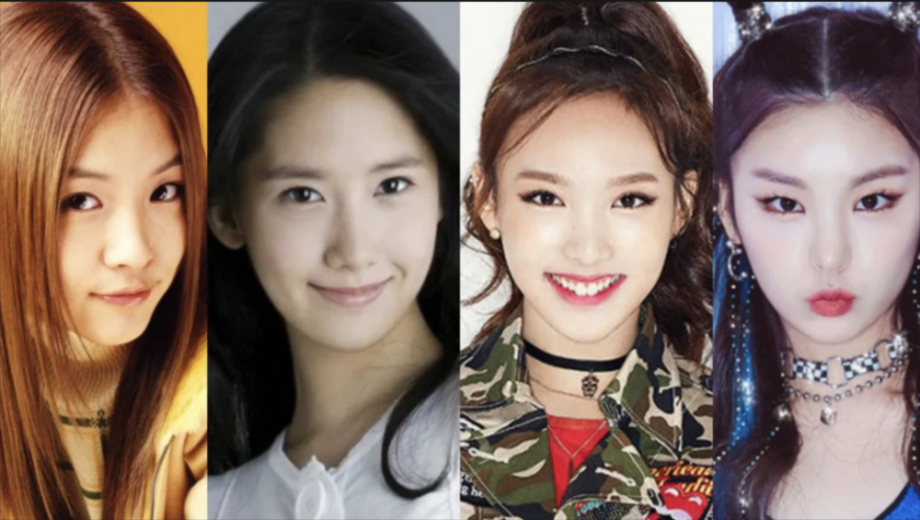
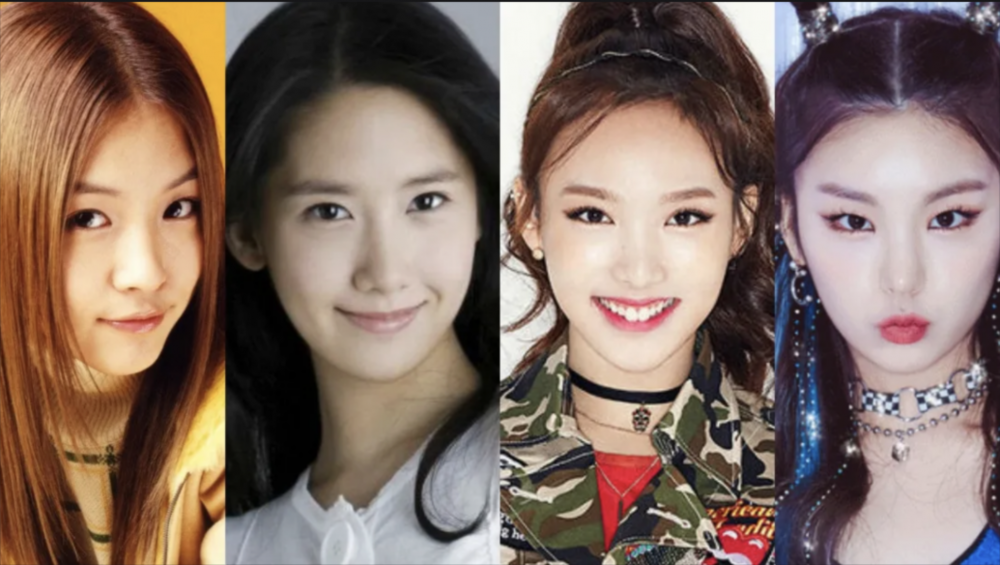
As K-Pop enters its 5th generation, the landscape of the industry has evolved dramatically. From the size of groups to the nature of fan support and even the music production process itself, many elements have undergone significant transformations. While the global popularity of K-Pop was once unimaginable, it’s now a worldwide cultural force. Let’s take a closer look at some of the key generational shifts, comparing the early generations of K-Pop to the current era.
1. Number of Members
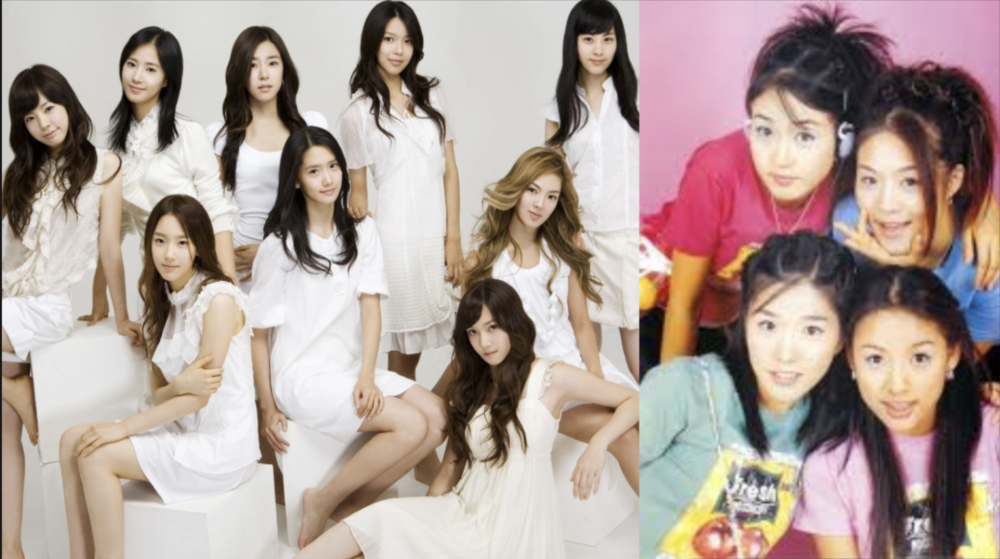
In the early days of K-Pop, from the late 1990s to early 2000s (the 1st and 2nd generations), groups typically debuted as trios or quartets. For example, legendary first-generation girl groups like Fin.K.L and S.E.S had three to four members each. Solo artists were also more prominent; you had figures like Se7en, BoA, and Rain dominating the charts.
However, with the debut of second-generation idols such as Girls’ Generation (with nine members) and Super Junior (originally debuting with twelve members), the industry began to embrace the concept of larger groups. This trend only intensified with the arrival of the third and fourth generations, with groups like SEVENTEEN (thirteen members), NCT (an expandable lineup), and even recent fifth-generation acts often featuring six, seven, or more members. The reasoning behind this shift is multifaceted—larger groups allow for greater variety in performances, more complex choreographies, and a broader range of content creation.
2. Lightsticks and Fandom Culture
The evolution of fandom culture is another clear indicator of how K-Pop has changed over generations. During the first and early second generations, when groups like G.O.D, Shinhwa, and H.O.T were active, fans often waved colored balloons—each group had its own designated color that represented their fandom. This visual unity was simple, yet meaningful.
By the late second and into the third generation, official lightsticks became a must-have fandom accessory. These devices, often intricately designed with the group’s name, logo, and colors, became symbolic of each fandom’s identity. Today, high-tech lightsticks can synchronize with concert stages to create mesmerizing light shows, and they serve as collectible merchandise that fans proudly display. They’ve also contributed to a more immersive and visually stunning concert experience, further solidifying the bond between artists and their global fanbases.
3. The Duration of Songs
Listen to a first-generation K-Pop track from groups like S.E.S or Sechskies, and you’ll often find songs exceeding three to four minutes, complete with intros, bridges, and layered storytelling. By contrast, many fifth-generation songs often hover around the two to three-minute mark, sometimes omitting a bridge entirely. This shift can be attributed to changes in listener habits, influenced by streaming platforms and short-form content on social media.
The need to grab a listener’s attention quickly has led producers to focus on catchy hooks right from the start, minimizing downtime in songs. In an era where competition for listener engagement is fierce, shorter tracks ensure repeated plays and increased chart performance. This new format also makes it easier for fans to share music clips on social media, contributing to virality and global reach.
4. Streaming and Global Recognition
In the early days, domestic chart dominance was a key measure of success. Achieving an “all-kill” on Korean music charts like Melon, Mnet, and Soribada was considered a huge accomplishment. But as the third generation of K-Pop ushered in global recognition—largely thanks to acts like BIGBANG, EXO, BLACKPINK, and BTS—the parameters of success evolved. Now, securing top spots on Billboard charts, iTunes rankings, and Spotify’s Top 50 lists is just as crucial as domestic chart achievements.
For fifth-generation idols, worldwide streaming performance is a vital metric. K-Pop groups release music simultaneously across all major streaming platforms, hoping to trend not only in Korea but also across the U.S., Europe, South America, and beyond. This global approach has influenced the music itself—incorporating more English lyrics, a wider range of genres, and international collaborations. The result is a genre that transcends language barriers more than ever before.
5. Makeup, Fashion, and Visuals
Visual concepts have always been integral to K-Pop’s identity. However, compare the bold eyeliners, colorful stage outfits, and heavily stylized looks of earlier generations (think 4MINUTE or 2NE1) to the more understated, natural aesthetics popularized by newer groups like NewJeans. There’s a definite shift towards minimalistic, street-style fashion and more subtle makeup trends that reflect changing global fashion standards.
Today’s idols often promote an “effortlessly cool” look, incorporating fashion-forward streetwear and cleaner, more natural makeup that appeals to a broad audience. This isn’t just about personal style—branding and visual identity play a huge role in attracting sponsorships, fashion collaborations, and a presence at international events like the Met Gala or Paris Fashion Week.
6. Catchphrase Introductions and Branding
Catchphrase introductions were once a hallmark of K-Pop groups, providing a memorable and fun way to greet audiences. Older fans fondly remember lines like TWICE’s “One in a million, hello we are TWICE!” or 2NE1’s confident “What’s up! We’re 2NE1.” These energetic greetings helped groups establish their character and identity right from the start of an interview or stage.
In contrast, many fifth-generation groups have opted for simpler intros—sometimes just counting down and stating their name, emphasizing a sleek and modern image. The shift may be due to changing audience preferences, quicker content consumption, and the internationalization of K-Pop. With fans all over the globe, groups focus on universally relatable greetings that transcend language barriers. Even industry veterans have taken notice, as seen on special variety shows where older idols express surprise that some newcomers have no signature catchphrase. This shift reflects how the industry prioritizes speed, global branding, and immediacy.
Other Notable Changes
Beyond these main shifts, there are other subtle changes worth mentioning. Training periods, for instance, have become more specialized and globalized—many current idols have international backgrounds or receive training abroad before debut. Social media engagement, once minimal, is now a cornerstone of idol-fan interaction. Platforms like Instagram, Twitter (X), TikTok, and Weverse allow idols and agencies to communicate directly with fans, share behind-the-scenes content, and build a more personal relationship with their audience.
Additionally, album distribution and merchandising have expanded. Physical albums remain popular for collectors, but digital sales, special edition merchandise, virtual fanmeetings, and global tours have diversified revenue streams. As K-Pop continues to evolve, these incremental changes shape an industry that’s more expansive, inclusive, and dynamic than ever before.
In summary, the 5th generation of K-Pop represents an era of greater global reach, changing aesthetics, more intricate fan engagement, and an evolving set of standards for success. By understanding these shifts, fans can better appreciate where K-Pop came from, where it is now, and where it may be headed in the future.
